

Sometimes Djokovic becomes the main character without even stepping on a court. It happened again this week, almost naturally. As if his presence, or even just his name, were enough to draw attention, spark curiosity, and set everything back in motion.
At this stage of his career, Nole is loved, cheered, almost seen as a kind of “opposition”. A strong word, yes, but it fits. Not so much against the new generation rising, but against the idea that “the old guard” should no longer be able to compete at this level. The sporting world is full of similar examples: Cristiano Ronaldo is the most obvious. Djokovic sits firmly in that constellation.
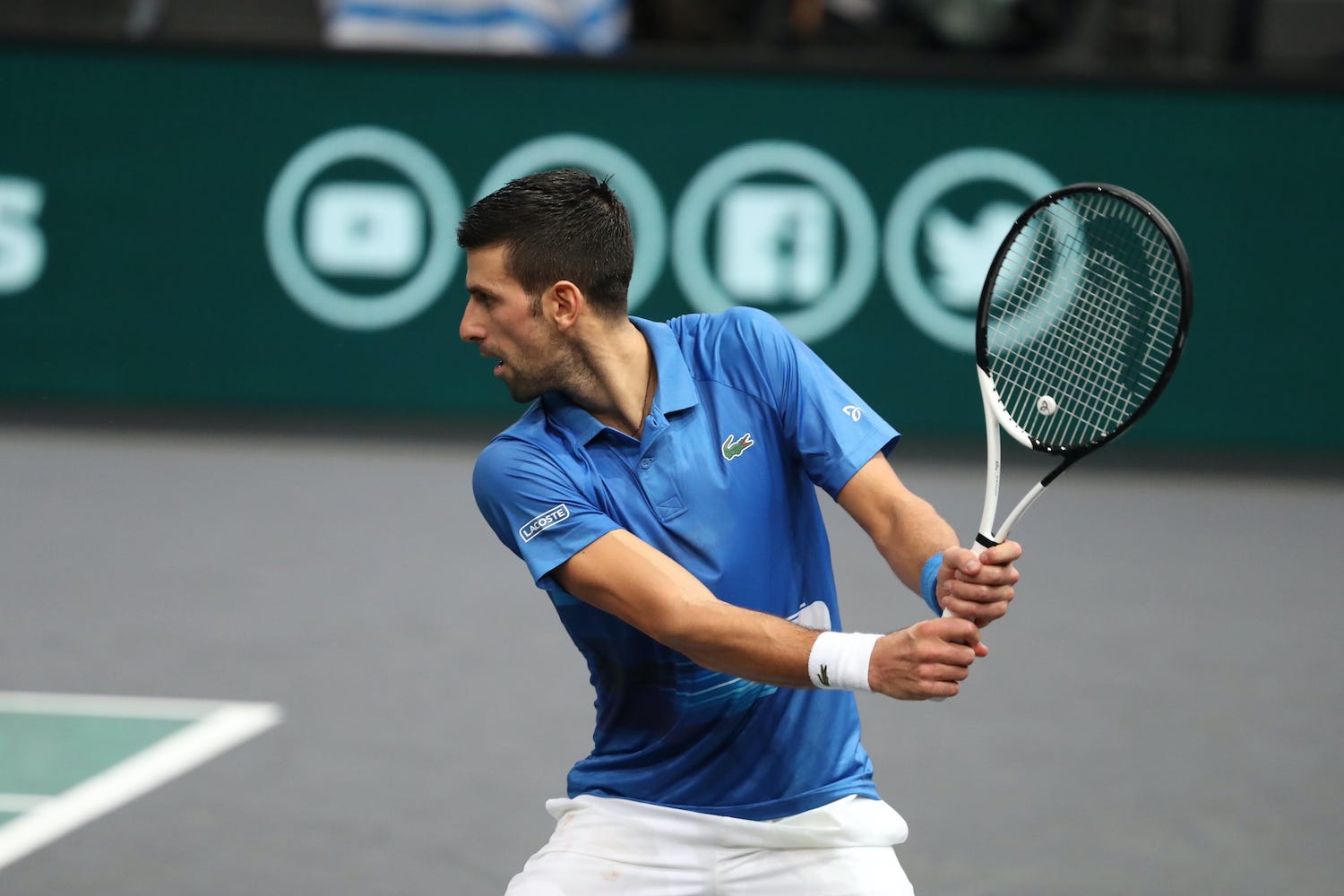
After the Australian Open final and that half‑spoken message in his closing speech, “God knows what happens tomorrow, let alone in 6 months or 12 months. It’s been a great ride. I love you guys.”, Nole reappeared in his most pop‑culture version in Milan during the Winter Olympics, becoming instantly viral. He and his wife Jelena were shown visibly moved by the performance of American skater Ilia Malinin, who won gold and captivated the world with that now‑iconic 360 jump.
Djokovic knows the value of a medal better than most: until 2024 he lived with the hope of finally experiencing that emotion, of stepping onto the top step of the podium. Athletes understand better than anyone the sacrifice required to get there.
However, Nole’s passport speaks clearly: 39 years old next May, and a schedule that needs to be fitted into a calendar that is packed, appealing, but also tremendously demanding if approached from the wrong angle.
Djokovic has made his calculations and decided not to play in Doha, leaving Carlos Alcaraz and Jannik Sinner without the major “contender”. After the Australian Open final against the Spaniard, the online debate lit up: some questioned Alcaraz’s tactical approach (too passive, according to a few), while others praised Nole’s “spider‑web” performance, able to trap the world number 1 by tightening the net point after point. And had he converted that break point at 40-40 in the fourth set, who knows…
In this careful management of his energy, both the online sphere and a good number of commentators seem to agree: the best chances for the long‑awaited 25th Slam lie at Wimbledon.
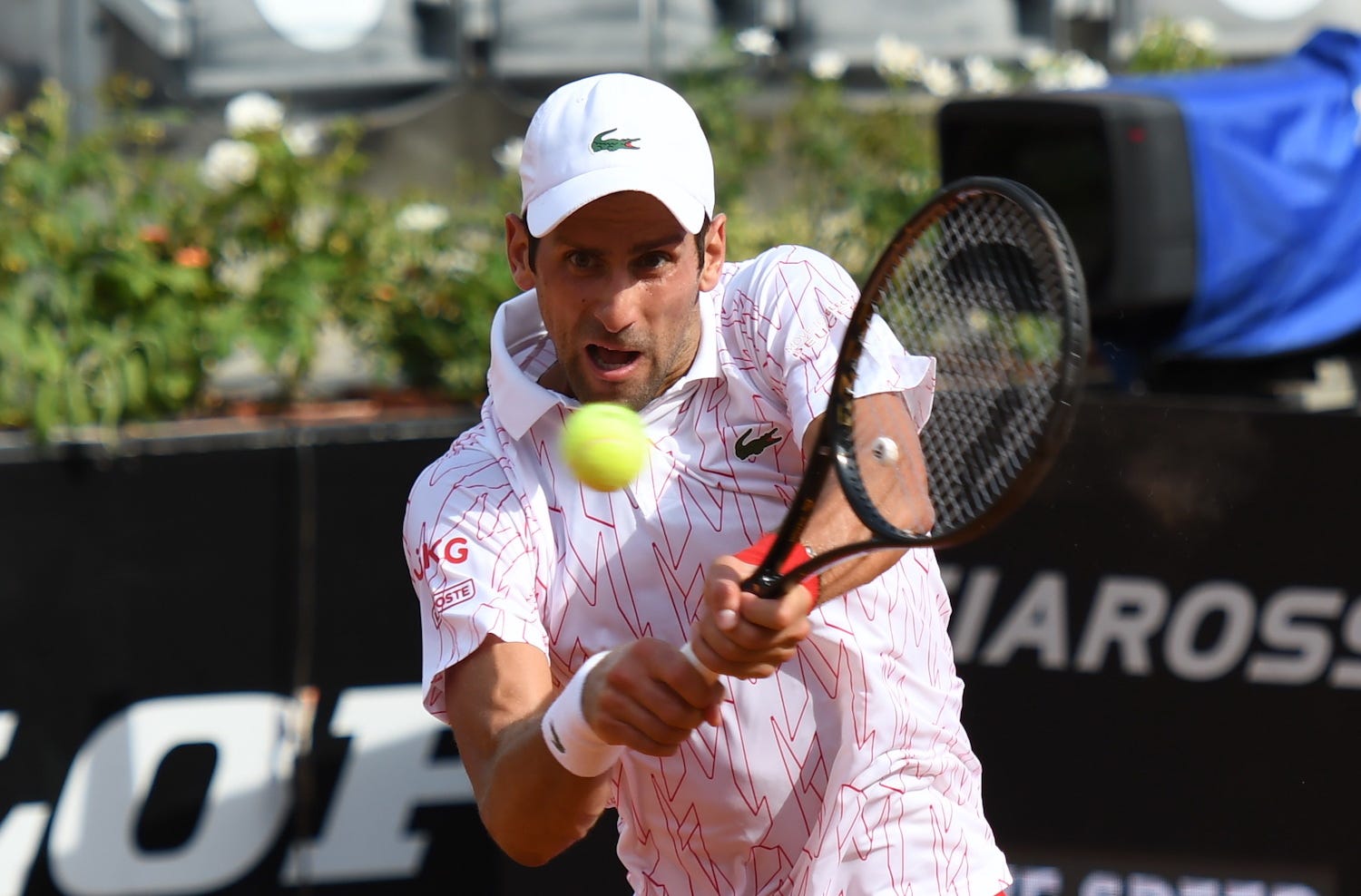
A surface that is less demanding physically, more inclined to reward tactics and aggression, reducing rallies and, as a result, the hours and kilometres accumulated by the time the final rounds arrive. And then, a detail worth remembering: beyond his 7 titles at the Championships, Djokovic also reached the final in 2023 and 2024. It is only natural to think that his best opportunities are there.
And what about clay? He loves to play in Monte‑Carlo, Rome and Roland Garros, but last year he lost in the opening round both in the Principality and in Madrid, choosing then to add Geneva, which he won, to arrive in Paris in better shape, where he reached the semi‑finals. At Roland Garros, Djokovic has reached at least the quarter‑finals every year since 2006, with the exception of 2009: another era entirely.
Back to Wimbledon: the Serbian has reached the semi‑finals in each of the last five editions. It is reasonable to think that if the big breakthrough is to come, it may well come at SW19.
For now, all signs point to Indian Wells. Give it a few weeks, the rest will reveal itself.
Other things you might find interesting:
Alex de Minaur is the new ATP 500 Rotterdam champion after defeating Felix Auger‑Aliassime 6–3 6–2 in the final.
Ben Shelton won the ATP 500 in Dallas, coming back to beat fellow American Taylor Fritz 2–6 6–3 7–5.
Francisco Cerúndolo claimed his home title at the Argentina Open in Buenos Aires, beating Luciano Darderi 6–4 6–2.
Karolína Muchová is the new queen of the WTA 1000 in Doha after defeating Victoria Mboko 6–4 7–5.