
We said we’d show up yesterday. We didn’t. The pace at Roland Garros has already picked up, and when the calendar starts to accelerate, something inevitably gets left behind. This time, it was us. No harm done. Here we are, and thank you for waiting.
Yesterday was a full one, the kind of day that begins to shape the tournament. Not just for the final steps into the main draw, with a few spots still to be filled today, but above all for the draw itself, both women’s and men’s, which has finally brought some order to the picture.
A year ago, Coco Gauff lifted the trophy in the women’s event. On the men’s side, it was Carlos Alcaraz who took centre stage, at the end of a final that still lingers in the memory: five hours and twenty-nine minutes against Jannik Sinner, one of those matches you don’t simply recount — you live through them. This year, the Spaniard won’t be there, sidelined with his well-known wrist issue, and his absence inevitably shifts the balance.
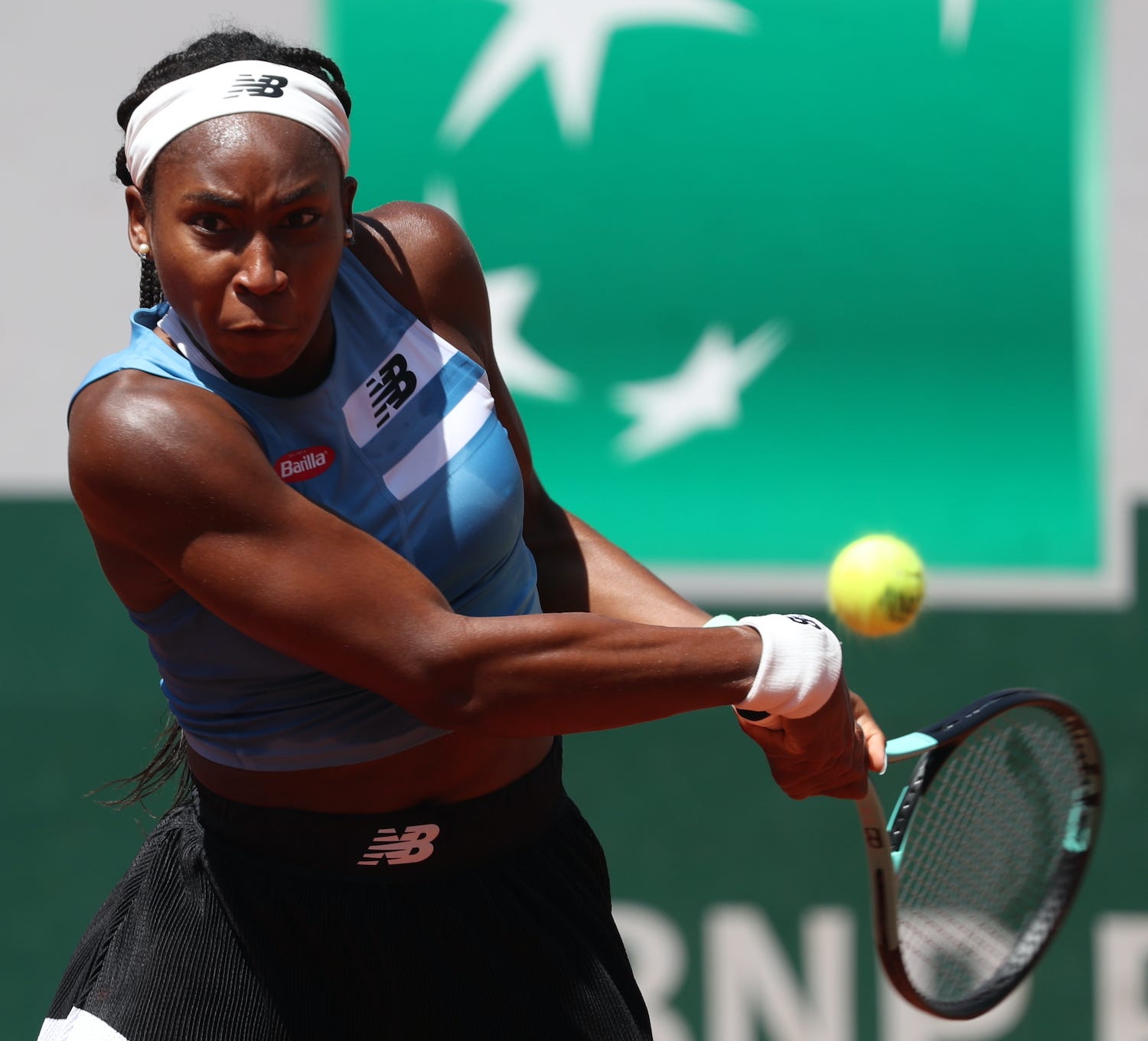
The women’s draw, meanwhile, is an exercise in uncertainty. Making a prediction now is a bit like tossing a coin: you can try, but you’re unlikely to control the outcome. Perhaps that’s an exaggeration, but it captures the idea. And that, ultimately, is its strength, unpredictability. There are at least four or five credible contenders for the title, surprises included, because in Paris they’re never really excluded.
Aryna Sabalenka comes in as world number one and last year’s finalist, but without a title on clay so far this season. Elena Rybakina, winner in Stuttgart, perhaps looks like the most solid candidate, though a few elements will still need to fall into place. Then there’s Iga Swiatek, a four-time champion here, who hasn’t lifted a trophy on clay since Roland Garros 2024. And finally Elina Svitolina, fresh from her win in Rome: form, confidence, and above all, credibility.
On the men’s side, at least on paper, the picture looks more straightforward. Jannik Sinner arrives on a run that speaks for itself: he’s won everything there is to win from Indian Wells onwards and, crucially, won’t have the most dangerous rival on his side of the draw. In other words, the main threat naturally shifts towards Novak Djokovic and Alexander Zverev.
Djokovic has played just one match on clay, in Rome. Zverev, meanwhile, lost the semi-final in Monte-Carlo and the final in Madrid, both against Sinner, winning a total of just eight games across those matches. Numbers that say a lot, but not everything.
Because tennis, at its core, remains simple: it starts at 0–0. Every point has to be built, every match has to be earned. And at this level, no one gives anything away. Everyone arrives here after months of work, with one aim only: to stay as long as possible.
Enjoy Roland Garros. We’ll catch up at the end unless, as so often happens here, something decides to change the story before then.